
Tuesday, November 26, 2024

How to Get Your Ex Back with These Simple Text Messages

How to Get Your Ex Back with These Simple Text Messages

Reclaim Your Love: Winning Your Ex Back with Strategic Texting

Heartbreak is a universal experience, and the desire to reconnect with an ex is a powerful one. While there's no guaranteed formula for winning back a former partner, strategic communication can significantly improve your chances. This article focuses on the power of carefully crafted text messages to reignite connection and pave the way for reconciliation. Forget the desperate pleas and rambling apologies; we'll focus on creating messages that pique their interest, evoke positive memories, and ultimately, encourage them to reconsider.

Understanding the Power of the Text

Text messaging offers a unique advantage in the realm of reconciliation. It allows for casual contact without the pressure of a face-to-face encounter, which can be incredibly intimidating after a breakup. A well-written text can be light, playful, or thoughtfulâ€"allowing you to tailor your approach to your ex's personality and the nature of your past relationship. However, remember that texting alone won't magically fix a broken relationship. It serves as a tool to rebuild connection, paving the way for deeper conversations and potentially, a second chance.

Crafting the Perfect Text: A Step-by-Step Guide

Step 1: The Initial Contact - Keep it Casual

Avoid overly emotional or demanding messages. Instead, opt for a simple, friendly text that references a shared memory or inside joke. For example, "Hey! Remember that time we [insert shared funny memory]? Made me smile thinking about it." This approach demonstrates you're thinking of them in a positive light without being overly intrusive. The goal is to establish a lighthearted connection, not to rehash old arguments.

Step 2: Gauge Their Response

Their reply will dictate your next move. A short, unenthusiastic response might signal the need to slow down and give them space. A more engaged response, however, opens the door for further interaction. Pay close attention to their tone and the length of their reply. This information is crucial for calibrating your subsequent texts.

Step 3: Maintaining Positive Momentum

If your initial text receives a positive response, follow up with messages that demonstrate you've listened and learned. Did they mention something they were passionate about? Ask a thoughtful question related to that interest. For instance, "I saw [mention something related to their interest]. It reminded me of you. How's that project coming along?" This demonstrates you're interested in their life beyond the context of your past relationship. Remember to maintain a balanceâ€"don't bombard them with messages, but keep the conversation flowing naturally.

Texts to Avoid at All Costs

Some text messages can seriously damage your chances of reconciliation. Avoid these pitfalls:

  • Long, rambling messages filled with apologies: These can come across as needy and desperate.
  • Accusatory or blaming messages: Rehashing old arguments is counterproductive.
  • Messages pressuring them to get back together: This will likely push them further away.
  • Excessive texting: Give them space to breathe and respond at their own pace.

Beyond the Texts: The Bigger Picture

Remember that texting is only one piece of the puzzle. Successful reconciliation requires self-reflection, personal growth, and a genuine willingness to address the issues that led to the breakup. Using thoughtful texts to rebuild connection can be a valuable tool, but it's crucial to be prepared for deeper conversations and potential challenges along the way. Consider working on yourself, addressing any personal issues that contributed to the relationship's end. This will demonstrate maturity and increase your chances of a successful reconciliation.
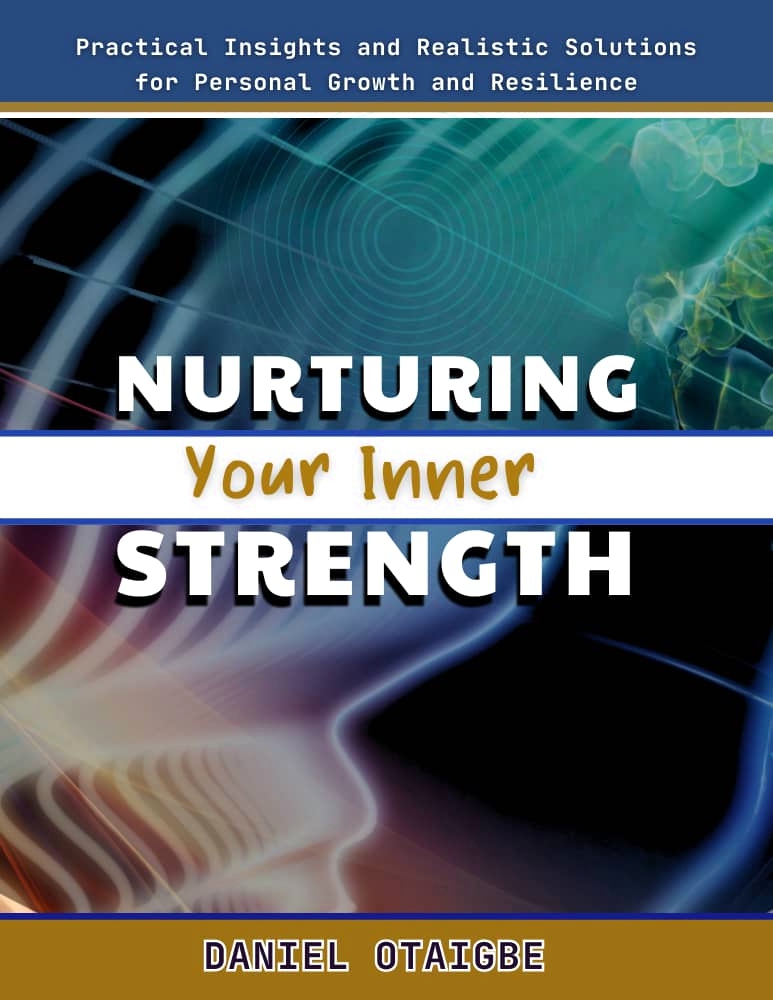

Nurturing Your Inner Strength: Resilience After a Breakup

Nurturing Your Inner Strength: Resilience After a Breakup

Nurturing Your Inner Strength: Resilience After a Breakup

Heartbreak. It's a universal experience, yet each journey through it feels uniquely agonizing. The loss of a romantic partner triggers a cascade of emotions â€" sadness, anger, confusion, maybe even relief. Navigating this emotional landscape requires strength, and while it may feel absent at first, that strength resides within you, waiting to be discovered and nurtured. This isn't about magically erasing the pain; it's about building resilience, finding your footing, and emerging stronger on the other side. This article provides practical steps to help you cultivate your inner strength and heal after a breakup.

Understanding Your Grief

Allow yourself to grieve. Don't suppress your emotions; acknowledge and process them. Denial only prolongs the healing process. Cry if you need to, scream into a pillow, journal your feelings â€" find healthy outlets for your emotional release. Understanding that grief is a natural response to loss is crucial. It’s not a sign of weakness; it's a testament to the depth of the connection you shared. This process unfolds differently for everyone, so be patient with yourself and trust the timeline of your healing.

Identifying Healthy Coping Mechanisms

Resist the urge to self-sabotage. Avoid unhealthy coping mechanisms such as excessive alcohol consumption, binge eating, or isolating yourself completely. Instead, focus on activities that nourish your mind, body, and soul. This might include:

  • Spending time in nature.
  • Engaging in creative pursuits like painting, writing, or playing music.
  • Connecting with supportive friends and family.
  • Prioritizing exercise and healthy eating.
  • Practicing mindfulness or meditation.

Reclaiming Your Identity

Breakups often force us to confront our identities. When a significant part of your life is suddenly gone, you might feel a sense of loss regarding "who you are" as a couple. Actively reclaim your individuality. Rediscover your passions, reconnect with old hobbies, or explore new interests. Engage in activities that bring you joy and fulfillment, separate from the relationship. Remember the person you were before the relationship and the person you want to become. This process of self-discovery can be incredibly empowering and lead to a stronger sense of self.

Setting Healthy Boundaries

Establishing healthy boundaries is paramount for your emotional well-being. This means limiting contact with your ex, unfollowing them on social media, and protecting your emotional space. Don't allow yourself to be drawn back into a cycle of negativity or uncertainty. This might feel challenging initially, but it's a crucial step in moving forward and creating space for new, healthier connections.

Seeking Support

Don't underestimate the power of a strong support system. Lean on trusted friends, family members, or a therapist. Talking about your feelings can be incredibly cathartic and help you gain perspective. A therapist can provide guidance and tools to navigate the complexities of grief and rebuild your emotional strength. Remember, seeking professional help is a sign of strength, not weakness.

Focusing on Self-Care

Prioritize self-care. This isn't a luxury; it's a necessity. Engage in activities that nurture your physical and emotional well-being. Get enough sleep, eat nutritious meals, engage in regular exercise, and practice self-compassion. Treat yourself with the same kindness and understanding you would offer a dear friend going through a similar experience. Remember that healing takes time, and you deserve to be patient and kind to yourself throughout the process.

Breaking up is hard, but it's also an opportunity for growth and self-discovery. By actively nurturing your inner strength, embracing healthy coping mechanisms, and seeking support, you can emerge from this experience stronger, wiser, and more resilient than ever before. Believe in your ability to heal and thrive.

Should I Get Back with My Ex? What to Do When You’re Unsure

Should I Get Back with My Ex? What to Do When You’re Unsure

Should I Get Back with My Ex? What to Do When You’re Unsure

The question of whether to rekindle a past romance is a deeply personal one, fraught with uncertainty and complex emotions. The allure of familiarity often clashes with the painful memories of why the relationship ended in the first place. This article provides a framework to help you navigate this challenging decision, empowering you to make a choice that aligns with your well-being and future happiness. Remember, there's no right or wrong answer; the right answer is the one that feels right for *you*.

Analyze the Reasons for the Breakup

Before even considering reconciliation, engage in honest self-reflection. Why did you break up? Was it a minor disagreement that blew out of proportion, or were there deeper, unresolved issues? Identifying the root causes is critical. If the reasons for the split were fundamental incompatibilities, irreconcilable differences, or persistent negative behaviors, a reunion is unlikely to succeed. Ignoring these problems will only lead to a repeat of the same cycle.

Common Relationship Pitfalls to Consider

Consider these scenarios:

  • Infidelity: Forgiveness is possible, but rebuilding trust after infidelity requires immense work and commitment from both partners. Consider whether the trust can genuinely be restored and whether the damage is irreparable.
  • Communication Breakdown: Were you unable to effectively communicate your needs and feelings? If so, have both of you actively worked on improving your communication skills since the breakup? This requires self-awareness and a willingness to change.
  • Abuse (Emotional, Physical, or Verbal): A relationship built on abuse is never healthy and should never be revisited. Your safety and well-being are paramount. Seek support from friends, family, or professional counselors if you've experienced abuse.

Assess the Changes Since the Breakup

Have either of you undergone significant personal growth or made positive changes since your separation? This is crucial. Did you work on addressing personal issues that contributed to the relationship’s demise? Have you sought therapy or counseling to address underlying emotional or behavioral patterns? Have you both taken steps to become better individuals? Demonstrating personal growth showcases maturity and a commitment to a healthier future relationship, if that is your goal.

Signs of Positive Change

Look for evidence of genuine transformation, not just superficial changes. Examples include:

  • Improved self-esteem and confidence
  • Addressing addiction or unhealthy habits
  • Developing better coping mechanisms for stress and conflict
  • Demonstrating increased emotional maturity and responsibility

Communicate Openly and Honestly

Once you’ve reflected on the past and assessed the present, it’s time to communicate with your ex. Approach the conversation with honesty and openness. Avoid accusatory language or assigning blame. Focus on expressing your feelings and listening to their perspective. A healthy conversation involves mutual respect and a willingness to understand each other's viewpoints. If you decide to reconnect, establishing clear boundaries and expectations from the start is essential.

Setting Healthy Boundaries

Before rekindling the relationship, establish clear boundaries. Discuss expectations for:

  • Communication styles
  • Conflict resolution strategies
  • Personal space and time
  • Shared responsibilities

Proceed with Caution and Self-Care

Getting back together shouldn’t be a rushed decision. Take your time, allow ample space for reflection, and prioritize your own emotional well-being throughout the process. If you’re uncertain, consider seeking professional guidance from a therapist or counselor who can provide unbiased support and help you clarify your thoughts and feelings. Remember, prioritizing your happiness and well-being is always the best decision, regardless of whether you choose to reconcile with your ex.

Forgiving Yourself and Him: A Path to Healing

Forgiving Yourself and Him: A Path to Healing

Forgiving Yourself and Him: A Path to Healing

The aftermath of a relationship's dissolution, particularly one marked by pain and betrayal, can leave lasting emotional wounds. The process of healing necessitates not only confronting the hurt inflicted by another but also, and perhaps more importantly, extending forgiveness to oneself. This dual process, forgiving both the other person and yourself, is crucial for emotional recovery and moving forward with a renewed sense of self-worth and agency.

Understanding the Complexity of Forgiveness

Forgiveness is not condoning harmful actions; it's about releasing the resentment and anger that bind you to the past. It's a conscious choice to let go of the negative emotions that prevent you from progressing toward a healthier, happier future. Forgiving yourself acknowledges your own imperfections and mistakes within the relationship, while forgiving him acknowledges his role in the pain inflicted, without excusing his behavior. This process, while often challenging, is fundamentally essential for emotional well-being.

Forgiving Yourself: Addressing Self-Blame and Regret

In the wake of a painful relationship, many individuals engage in self-blame. They may question their decisions, actions, and character, leading to feelings of guilt, shame, and inadequacy. This self-criticism can be deeply destructive, hindering the healing process. It's crucial to recognize that relationships are rarely the result of one person's failings. While self-reflection is necessary for personal growth, dwelling on past mistakes can lead to a cycle of negativity and self-punishment.

Identifying and challenging negative self-talk is a crucial first step. Are you repeatedly telling yourself you were "too naive," "too trusting," or "not good enough"? Actively counter these narratives with realistic and compassionate self-assessments. Remember that everyone makes mistakes, and learning from them is a sign of strength, not weakness. Consider journaling your thoughts and feelings to gain a clearer understanding of your self-perceptions and the narratives fueling self-blame.

Forgiving Him: Confronting Betrayal and Hurt

Forgiving the other person involved is often the most challenging aspect of the healing journey. Betrayal, infidelity, abuseâ€"these actions inflict deep emotional wounds that can take considerable time to process. Forgiveness in this context does not imply condoning the hurtful behavior; it means releasing the anger, bitterness, and resentment that prevent you from moving forward. It's about reclaiming your emotional power and freeing yourself from the shackles of the past.

Understanding his perspective (without excusing his actions) can be a helpful, albeit difficult, step. This does not require empathy for his behavior, but rather an attempt to understand the underlying factors â€" though these factors never excuse the hurt he caused. Was he struggling with personal demons? Did he lack the emotional maturity to handle the relationship? Understanding, but not justifying, allows for a more complete picture, aiding in letting go of the intense negative emotions attached to his actions.

Practical Steps Towards Forgiveness

The journey towards forgiving yourself and him requires conscious effort, patience, and self-compassion. There is no set timeline; healing is a deeply personal process, unique to each individual.

Journaling and Self-Reflection

Regular journaling can provide a valuable outlet for processing emotions and gaining self-awareness. Write about your experiences, your feelings, and your thoughts regarding both yourself and him. Explore the narratives you've created around the relationship and identify any patterns of self-blame or negativity.

Seeking Professional Support

Therapy can provide a safe and supportive space to explore your emotions and develop healthy coping mechanisms. A therapist can help you identify and challenge negative thought patterns, develop strategies for managing difficult emotions, and navigate the complex process of forgiveness. Group therapy can also be beneficial, providing a sense of community and shared experience.

Mindfulness and Self-Care Practices

Mindfulness techniques, such as meditation and deep breathing exercises, can help you cultivate self-awareness and regulate your emotions. Prioritizing self-care activitiesâ€"such as exercise, healthy eating, spending time in nature, or engaging in hobbiesâ€"is essential for promoting emotional well-being and resilience.

Setting Boundaries and Limiting Contact

Establishing healthy boundaries is crucial for protecting your emotional well-being. This may involve limiting or eliminating contact with him, depending on the nature of the relationship and the level of harm inflicted. Setting boundaries also means protecting yourself from manipulation or further emotional abuse.

The Long-Term Benefits of Forgiveness

The rewards of forgiving yourself and him extend far beyond the immediate emotional relief. Forgiveness is not a sign of weakness; it's an act of strength and self-compassion. It frees you from the weight of resentment and anger, allowing you to reclaim your emotional energy and invest it in building a healthier and more fulfilling future.

Reduced stress and anxiety: Holding onto anger and resentment takes a significant toll on your mental and physical health. Forgiveness can significantly reduce stress and anxiety levels, leading to improved overall well-being.

Improved relationships: Forgiveness fosters empathy and compassion, qualities essential for building and maintaining healthy relationships. By forgiving yourself and others, you create a space for greater connection and intimacy.

Increased self-compassion: Forgiving yourself allows you to cultivate self-compassion, a vital component of emotional resilience. Self-compassion enables you to treat yourself with kindness and understanding, even when you make mistakes.

Enhanced emotional well-being: The process of forgiveness is transformative. It leads to a greater sense of peace, freedom, and emotional well-being. It allows you to move forward with a renewed sense of hope and optimism, freeing you from the chains of the past.

In conclusion, forgiving yourself and him is a profound act of self-love and healing. It is a journey, not a destination, requiring patience, self-compassion, and often professional support. But the rewards â€" a life free from the burdens of the past, filled with peace, self-acceptance, and genuine happiness â€" are immeasurable.

How to Respect Your Ex's Boundaries While Reconnecting

How to Respect Your Ex's Boundaries While Reconnecting

Reconnecting with an Ex While Respecting Boundaries

Reconnecting with an ex can be a complex and emotionally charged experience. Whether you're hoping to rekindle the romance or simply rebuild a platonic friendship, respecting your ex's boundaries is paramount. Ignoring these boundaries can damage any chance of a healthy relationship, either romantic or otherwise. This article provides practical steps to navigate this delicate situation with grace and consideration, ensuring you prioritize your ex's emotional well-being while pursuing your own needs.

Understanding the Importance of Boundaries

Boundaries are the invisible lines that individuals set to protect their emotional and mental well-being. These boundaries vary greatly from person to person and can include limiting contact, avoiding certain topics of conversation, or specifying preferred communication methods. Ignoring these boundaries, even unintentionally, can cause significant emotional distress. For example, repeatedly texting someone who has requested less frequent contact demonstrates a disregard for their expressed needs. This dismissive behavior can reignite past hurts and undermine any attempt at a positive reconnection.

Open Communication: The Foundation of Respectful Reconnection

Before attempting any reconnection, consider your motivations. Are you genuinely interested in rekindling the relationship, or are you seeking closure? Honesty with yourself is crucial. Then, initiate contact cautiously and respectfully. A simple, straightforward message expressing your desire to reconnect, acknowledging their feelings and respecting their boundaries, is a good starting point. Avoid overwhelming your ex with intense emotions or expectations. For example, a casual "I've been thinking about you lately and wondered how you're doing" is preferable to a lengthy, emotional message outlining your hopes for a reunion.

Active Listening and Empathetic Responses

Once you've initiated contact, actively listen to your ex's responses. Pay close attention to both their words and their nonverbal cues. If they express discomfort or hesitation, acknowledge their feelings with empathy. Phrases like "I understand if you're not comfortable with this" or "I respect your boundaries" demonstrate your willingness to prioritize their well-being. This demonstrates maturity and consideration, making them more likely to reciprocate your efforts towards a positive reconnection.

Respecting Specific Boundaries: Practical Applications

Respecting boundaries isn't a one-size-fits-all approach. It requires careful consideration of your ex's specific needs and preferences. This might involve:

  • Limiting contact frequency: If they request limited contact, adhere strictly to their wishes. Avoid excessive calls, texts, or social media interactions.
  • Avoiding sensitive topics: Steer clear of discussions about past disagreements or painful memories, unless your ex explicitly initiates these conversations.
  • Respecting their relationships: If your ex is currently involved with someone else, respect their relationship. Avoid any actions that might jeopardize their current commitments.
  • Respecting their physical space: Do not show up unexpectedly at their home or workplace. Respect their need for personal space and privacy.

Moving Forward: Maintaining Respectful Interactions

Even after a successful reconnection, maintaining respectful interactions is crucial for a healthy ongoing relationship, whether romantic or platonic. Regularly check in with your ex to ensure you are still respecting their boundaries. Ask them if there's anything they need from you or if there's anything you're doing that makes them uncomfortable. Open communication is key to maintaining a respectful and mutually beneficial relationship. This approach fosters trust and transparency, paving the way for a healthier and more fulfilling reconnection.

The Role of Counseling in Winning Back Your Ex

The Role of Counseling in Winning Back Your Ex

The Role of Counseling in Winning Back Your Ex

The end of a relationship is rarely easy. Heartbreak, confusion, and a potent cocktail of emotions often leave you reeling. While the desire to win back an ex might seem like the immediate solution, it's crucial to approach this sensitive situation with careful consideration. This is where professional counseling plays a vital role. It's not about manipulation or forcing reconciliation; it's about achieving self-awareness, emotional healing, and making informed decisions that prioritize your well-being, regardless of the outcome.

Understanding Your Motivation

Before even considering reaching out to your ex, counseling helps you dissect your motivations. Are you truly seeking reconciliation based on genuine growth and a desire for a healthier relationship, or are you clinging to the past out of fear of loneliness, regret, or a bruised ego? A therapist provides a safe space to explore these complex feelings without judgment. They guide you through introspection, helping you identify underlying issues that contributed to the breakup â€" issues you might be unconsciously repeating in future relationships. This self-reflection is crucial; otherwise, you risk repeating past patterns and jeopardizing any chance of a successful reunion.

Identifying Unhealthy Attachment Styles

Counseling can help illuminate your attachment style, a crucial factor in relationship dynamics. Are you anxiously attached, clinging to your partner and fearing abandonment? Or are you avoidantly attached, pushing your partner away to maintain emotional independence? Understanding your attachment style allows you to identify unhealthy patterns of behavior and develop healthier coping mechanisms, enabling you to approach the situation â€" and any future relationships â€" with greater self-awareness and emotional maturity. This self-improvement becomes the foundation for any potential reconciliation.

Healing from the Breakup

The pain of a breakup is significant. Counseling offers a structured process to navigate this emotional turmoil. Through therapy, you learn healthy coping strategies to manage grief, anger, and sadness. This includes techniques like:

  • Journaling to process emotions.
  • Mindfulness practices to stay grounded in the present.
  • Developing self-soothing techniques to manage stress.
By actively addressing these emotions, you’ll emerge stronger and more resilient, better equipped to handle the complexities of a potential reunion or even a new relationship.

Building Self-Esteem and Confidence

Many individuals believe winning back an ex hinges solely on external changes â€" a new haircut, a better job, a changed persona. While these superficial adjustments might temporarily impress, lasting change comes from within. Counseling empowers you to build self-esteem and confidence independently of your relationship status. You'll learn to value yourself, recognize your strengths, and foster self-compassion. This newfound self-worth is far more attractive than any external makeover and will attract healthier relationships in the long run â€" whether it's with your ex or someone new.

Strategic Communication and Healthy Boundaries

If reconciliation is your goal, counseling equips you with effective communication strategies. It’s not about manipulation but about expressing your feelings honestly and respectfully. A therapist helps you craft a thoughtful approach, emphasizing healthy boundaries and respecting your ex's autonomy. This might involve practicing assertive communication techniques or learning to manage potential conflict constructively. The focus remains on building a healthier dynamic, not just winning them back. If your ex is receptive, your improved communication skills will significantly impact the prospects of a stronger, more fulfilling relationship.

Ultimately, counseling empowers you to take control of your emotional well-being and make conscious decisions based on self-awareness and genuine growth. Whether you ultimately reconcile with your ex or not, the journey of self-discovery and emotional healing is invaluable, setting you up for a brighter and more fulfilling future.

How to Prioritize Quality Time to Win Her Back

How to Prioritize Quality Time to Win Her Back

Prioritizing Quality Time to Reconnect and Rekindle a Relationship

Reclaiming a fractured relationship requires a concerted and deliberate effort, extending beyond mere gestures of goodwill. The foundation of any successful reconciliation lies in the prioritization of quality time, a concept that transcends superficial interactions and dives deep into meaningful engagement. This article will explore the multifaceted aspects of prioritizing quality time to win back a partner's affection and rebuild a stronger, healthier connection.

Understanding the Importance of Quality Time in Reconciliation

In the fast-paced modern world, quality time is often a casualty of demanding schedules and competing priorities. However, in the context of relationship repair, it becomes an indispensable element. Simply spending time together is insufficient; it is the quality of that time that fosters reconnection and rebuilds trust. Quality time necessitates focused attention, genuine engagement, and a conscious effort to understand and empathize with the partner's perspective.

When a relationship falters, misunderstandings, unmet needs, and unresolved conflicts often accumulate. Quality time offers a dedicated space to address these issues directly. It facilitates open and honest communication, enabling both partners to express their feelings, needs, and concerns without interruption or judgment. This process of shared vulnerability is crucial for rebuilding intimacy and fostering a sense of mutual understanding.

Distinguishing Quality Time from Quantity Time

It is essential to differentiate between quality and quantity time. Spending hours together passively watching television or scrolling through social media does not constitute quality time. Quality time is characterized by genuine interaction, deep listening, and a shared experience that fosters connection. It is about being fully present and engaged in the moment, rather than merely occupying the same physical space.

Strategic Planning for Quality Time

Reconciling a relationship requires a proactive approach to quality time. It is not a spontaneous occurrence; rather, it necessitates careful planning and thoughtful execution. Consider the following strategies for maximizing the impact of your shared time:

Scheduling Dedicated Time

Treating quality time as an essential appointment, rather than a casual occurrence, highlights its importance. Schedule specific times for uninterrupted togetherness, free from distractions like cell phones or other competing commitments. This demonstrates respect for your partner's time and signifies the prioritization of the relationship.

Creating a Conducive Environment

The environment in which you spend your quality time significantly influences its effectiveness. Choose settings that promote relaxation, intimacy, and open communication. This could involve a quiet evening at home, a romantic dinner, a scenic walk in nature, or any activity that both partners enjoy and find conducive to open conversation.

Choosing Meaningful Activities

Engaging in shared activities that stimulate conversation and encourage connection is pivotal. These activities should align with the interests and preferences of both partners. Consider engaging in hobbies you both enjoy, attending events that pique your mutual curiosity, or embarking on a new experience together.

  • Shared hobbies: Cooking, gardening, painting, or playing a sport together.
  • Cultural outings: Attending concerts, museums, or theatrical performances.
  • Outdoor adventures: Hiking, biking, or camping.
  • Creative endeavors: Taking a dance class, learning a new language, or writing together.
  • Acts of service: Helping each other with tasks or projects.
  • Navigating Potential Challenges During Quality Time

    Even with careful planning, challenges may arise during quality time. Open and honest communication is paramount in navigating these difficulties. Be prepared to address sensitive topics with empathy and understanding. Avoid accusatory language and focus on expressing your feelings and needs constructively.

    Addressing Past Conflicts

    Quality time provides an opportunity to address past conflicts and misunderstandings. Approach these conversations with a willingness to listen, understand your partner's perspective, and take responsibility for your own actions. Focus on finding solutions and rebuilding trust, rather than dwelling on blame or resentment.

    Managing Disagreements Respectfully

    Disagreements are inevitable in any relationship. During quality time, it's crucial to manage disagreements respectfully. Practice active listening, empathize with your partner's viewpoint, and avoid interrupting or raising your voice. Focus on finding common ground and resolving conflicts constructively.

    Maintaining Patience and Perseverance

    Reconciling a relationship takes time and effort. Don't expect immediate results or become discouraged by setbacks. Maintain patience, persevere in your efforts to prioritize quality time, and remain committed to rebuilding your connection.

    Sustaining Quality Time Beyond Reconciliation

    Once the initial reconciliation phase is complete, it's crucial to maintain the prioritization of quality time to prevent future conflicts and strengthen the relationship. Integrate quality time into your daily routines, establishing regular date nights, weekend getaways, or other opportunities for meaningful engagement.

    Continuously assess your relationship’s needs and adapt your strategies for quality time accordingly. Flexibility and responsiveness are essential for sustaining a healthy and fulfilling partnership. Remember that quality time is not a one-time fix, but an ongoing commitment that nourishes and strengthens the bond between partners.

    In conclusion, prioritizing quality time is not merely a strategy; it's an investment in the future of the relationship. It necessitates conscious effort, strategic planning, and a commitment to open communication. By diligently focusing on the quality of your interactions, you create a fertile ground for reconnection, rebuilding trust, and fostering a stronger, more fulfilling relationship.